

Table of Contents
- Do Magnetic Nipple Rings Work? Our Honest Verdict
- How Magnetic Nipple Rings Work: Magnet Strength vs. Weight
- Pros and Cons of Magnetic Nipple Rings
- What to Look For in Non-Piercing Nipple Jewelry
- Magnetic Nipple Ring Safety: Skin Reactions and Allergies
- How to Keep Magnetic Nipple Rings On: Fit and Wear Tips
- Our Top Picks: Magnetic Nipple Rings That Stay Put
- Final Thoughts: Are Magnetic Nipple Rings Worth It?
- Frequently Asked Questions
Last Updated: September 5, 2026
Do Magnetic Nipple Rings Work? Our Honest Verdict
Magnetic nipple rings offer a convincing faux-piercing aesthetic without needles, but whether they work depends on the balance between magnet strength and jewelry weight.

The core promise is simple: two magnetic pieces clamp around the nipple tissue, creating the look of a barbell or ring piercing without permanent commitment.
Most guides treat all magnetic nipple rings as identical products. In reality, the difference between a ring that stays on through a workday and one that falls off during a deep breath comes down to physics, not branding.
How Magnetic Nipple Rings Work: Magnet Strength vs. Weight
The fundamental equation is simple: the magnetic pull force must exceed the gravitational force acting on the jewelry's mass. When the pull force is insufficient, the ring will slide, shift, and eventually fall off.
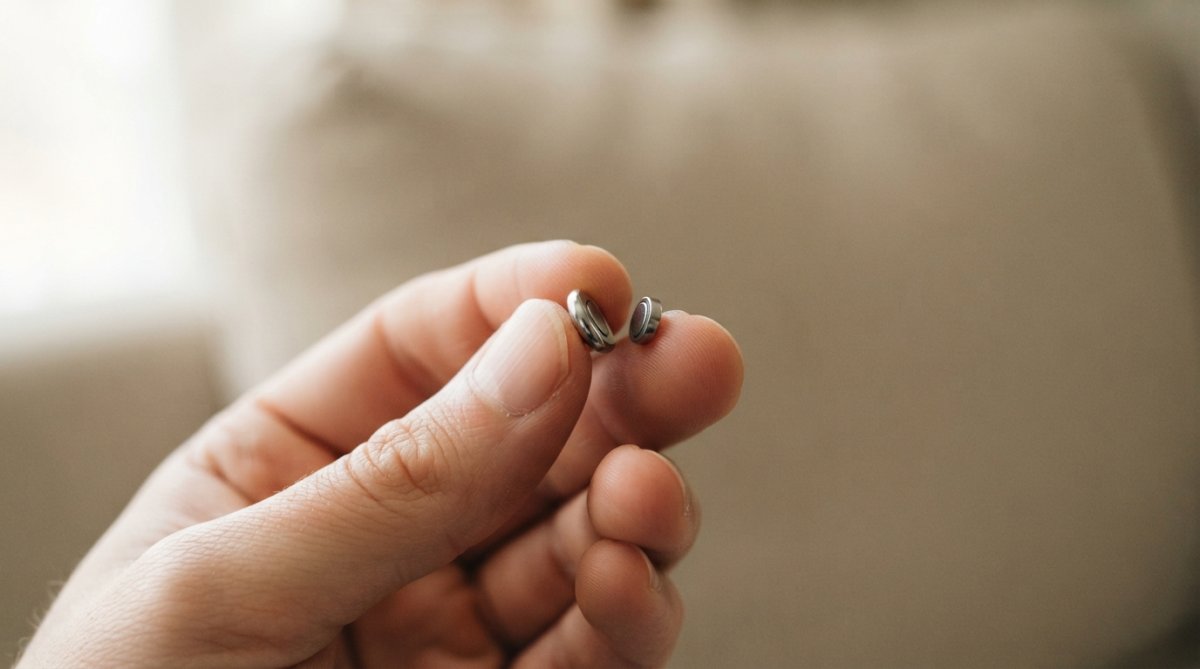
The holding force is generated by a pair of neodymium magnets, typically grade N35 to N52, encased in a metal base plate and front cap. The magnetic field must pass through the compressed nipple tissue to create a closed circuit.
The critical variable most buyers ignore is the weight-to-force ratio. A small, 10mm diameter N52 magnet might have a pull force of roughly 2 to 3 pounds, but that is the surface pull force (kjmagnetics.com). A 5-gram charm at the end of a 15mm lever arm can effectively multiply its weight by a factor of three or more, easily overcoming a 2-pound magnetic grip.
This is why the heaviest, most ornate designs are the ones that fail. The center of mass is too far from the magnetic contact point. A lightweight, flush-fitting cap keeps the center of gravity close to the tissue, minimizing the torque that pulls the magnet loose.
A second, often overlooked factor is tissue thickness and compliance. If the tissue is too thick or dense, the magnets may not pull close enough to achieve their rated pull force. If too thin, there may not be enough material to hold lateral alignment.
A ring that holds for a 30-minute try-on often fails after an hour because tissue slowly compresses under constant pressure. The best designs use slightly larger diameter magnets that spread force over a wider area, reducing localized pressure.
Here is a practical test: hold the two magnetic pieces about 1/4 inch apart and let them snap together. If they do not pull together with a sharp, audible click, the force is likely too weak. If they snap together so hard that you have to twist them apart, the force is probably sufficient, but check the weight of the full assembly. A good rule of thumb is that total jewelry weight should be under 8 grams for a standard 12mm magnet pair.
This physics explains why the market is full of disappointing products. Many manufacturers use cheap ferrite magnets, with roughly one-tenth the magnetic energy of neodymium, then attach heavy charms, guaranteeing failure.
Pros and Cons of Magnetic Nipple Rings
Magnetic nipple rings offer distinct advantages over traditional piercings, but they also carry limitations that buyers should understand before purchasing.
Pros:
- Painless application with no needles, healing time, or permanent commitment
- Easy to remove and reapply whenever the mood strikes
- Realistic faux piercing appearance with refined metallic finishes
- No risk of piercing rejection or migration over time
- Suitable for those who cannot get pierced due to work or medical reasons
Cons:
- Can slip off during vigorous activity if magnet strength is insufficient
- May cause skin irritation for those with nickel allergies or sensitive skin
- Not ideal for very small or very large nipple anatomy
- Less secure than permanent jewelry during high-impact movement
What to Look For in Non-Piercing Nipple Jewelry
Material quality should be your first filter. Surgical steel and titanium plating are safest for most skin types.
Look for neodymium magnets rather than ferrite. A wider, flatter base plate distributes pressure more evenly and reduces skin irritation during extended wear.
Size selection is critical. Measure your nipple diameter at rest and compare it against product dimensions. A ring that fits too loosely will shift and fall, while one that is too tight can restrict blood flow. Most manufacturers provide sizing guidance.
Magnetic Nipple Ring Safety: Skin Reactions and Allergies
Contact dermatitis is the most common adverse reaction, typically stemming from nickel in low-quality alloys. The skin on the nipple area is thinner and more sensitive than most body surfaces.
Hypoallergenic materials such as surgical-grade stainless steel or titanium eliminate most allergic reactions. If you have known metal sensitivities, look for products explicitly labeled nickel-free and hypoallergenic. The American Academy of Dermatology guidance on nickel allergy recommends patch testing new jewelry on a less sensitive area before wearing it on delicate tissue.
Beyond allergies, the magnetic force itself warrants consideration. While neodymium magnets are safe for external use, they should never be worn during pregnancy or near medical implants such as pacemakers. Individuals with diabetes or circulation disorders should consult a healthcare provider before using any clamping jewelry, as reduced blood flow can complicate minor injuries.
How to Keep Magnetic Nipple Rings On: Fit and Wear Tips
Keeping a magnetic nipple ring in place is about understanding how different activities stress the magnetic connection. The most reliable approach is activity-based testing before relying on them in public.
The Application Sequence
Start with skin that is completely clean and dry. Any residual oil, lotion, or sweat reduces friction. Wash with mild, fragrance-free soap, pat dry with a lint-free cloth, and wait two to three minutes for moisture to evaporate.
Place the base plate behind the nipple, centered on the areola. Bring the front piece forward slowly, allowing the magnets to find their natural alignment. Do not force the closure, misalignment shrinks the contact area and drops the holding force.
Activity-Based Performance Guide
Here is what real-world testing reveals about how magnetic nipple rings perform across different activities:
Desk work and light daily activity (4-6 hours): This is the easiest scenario. A well-fitted ring should stay in place with minimal adjustment. The main risk is leaning against a desk edge.
Walking and light exercise (1-2 hours): The repetitive motion creates a gentle bounce. Most quality rings handle this fine, though you may notice a slight shift after 30 minutes.
Gym workouts and high-impact movement: This is where most magnetic rings fail. Jumping or running creates vertical acceleration that can overcome the magnetic grip, a 5-gram ring at 3 Gs effectively weighs 15 grams. Choose the lightest design and a compressive top; avoid heavy bench pressing.
Swimming and showering: Water is the enemy of magnetic jewelry. It acts as a lubricant and prolonged exposure can corrode the plating and weaken the magnet. Most manufacturers advise against swimming; if you must, expect them to slip off within 15-20 minutes.
Sleeping: This is high-risk. Side sleepers will almost certainly dislodge a ring against a pillow. Back sleepers may fare better, but muscle relaxation during deep sleep can reduce tissue tension. Test with a 30-minute nap first.
The Readjustment Protocol
When a ring shifts, do not just push it back into place. Remove it completely, check the skin for redness or irritation, and reapply using the full application sequence. Pushing a partially dislodged ring can pinch the skin.
When to Stop Wearing
Pain, numbness, or a change in skin color are immediate stop signals. These indicate that the magnetic force is compressing blood vessels or nerves. Remove the ring and allow the tissue to recover for at least 24 hours before trying again. If symptoms persist, consult a healthcare provider.
Our Top Picks: Magnetic Nipple Rings That Stay Put
After evaluating various designs, we recommend three options from Saratily.
The Saratily™ ClipNip Magnets at $23.00 offer the best balance of security and subtlety. Their lightweight feel and seamless magnetic fit make them ideal for all-day wear, while the refined metallic finish delivers a realistic look that rivals permanent piercings. The painless magnetic design requires no needles, and effortless placement means you can adjust them in seconds.
For those wanting a touch more presence, the Saratily™ NipClip Magnets at $30.24 provide a slightly more substantial aesthetic without sacrificing the secure hold that keeps them in place. Both designs use high-quality materials that sit comfortably against the skin, making them suitable for sensitive skin types.

For couples exploring intimate play, the Non-Piercing Nipple Clamps for Couples at $16.95 offer adjustable pressure for comfortable stimulation. These differ from the magnetic rings in mechanism but serve a complementary purpose in the bedroom.

| Product | Price | Best For | Key Feature |
|---|---|---|---|
| ClipNip Magnets | $23.00 | Daily wear, subtle look | Lightweight, barely-there presence |
| NipClip Magnets | $30.24 | Statement look | Secure hold with more presence |
| Adjustable Nipple Clamps | $16.95 | Couples play | Adjustable pressure and sensation |
Final Thoughts: Are Magnetic Nipple Rings Worth It?
Magnetic nipple rings are worth trying if you want the aesthetic of a piercing without the permanence, pain, or healing period.
The key is choosing quality over price. A $10 knockoff with weak magnets and nickel-laden plating will confirm every skepticism you have about non-piercing jewelry. A well-engineered pair from a brand that specializes in this category delivers the realistic look and secure fit that makes the concept work. As noted in consumer guidance on body jewelry safety, material quality is the single most important factor in preventing adverse skin reactions.
Set realistic expectations. These are not permanent piercings and will not survive every activity. But for date nights, photoshoots, or testing a new look, they deliver remarkable value.
Choosing the right body jewelry should feel exciting, not risky. Saratily offers magnetic nipple rings with secure neodymium magnets, hypoallergenic materials, and a lightweight design that stays comfortable through daily wear. Whether you are new to non-piercing jewelry or a seasoned enthusiast, our collection is crafted to enhance confidence and self-expression without compromise. EXPLORE the collection and find the piece that matches your style.
Frequently Asked Questions
Are magnetic nipple rings safe for everyday wear?
Yes, magnetic nipple rings are safe for everyday wear when they fit properly and are made from hypoallergenic materials like surgical steel or titanium. The key is to choose a magnet strength that holds securely without causing discomfort or restricting blood flow. Start with short wear periods to see how your skin reacts. If you have sensitive skin or a known nickel allergy, look for nickel-free options to avoid contact dermatitis. Remove them at night or during intense physical activity to give your skin a break.
Do magnetic nipple rings fall off easily during movement?
Magnetic nipple rings can fall off if the magnet strength is too weak for the jewelry's weight or if the fit doesn't match your anatomy. Proper sizing and a strong neodymium magnet are essential for a secure hold. For example, Saratily's ClipNip Magnets feature a seamless magnetic fit. However, high-impact exercise or friction from tight clothing can dislodge them. Test them at home first, and adjust the placement or choose a stronger magnet if they shift.
Can magnetic nipple rings cause skin irritation?
Skin irritation from magnetic nipple rings is possible, but it's usually due to low-quality materials or a poor fit, not the magnetic mechanism itself. Nickel is a common allergen, so choosing jewelry made from surgical steel or titanium with a nickel-free plating is important. Also, make sure the magnets are strong enough to hold without pinching. If you experience redness, itching, or soreness, remove the rings and let your skin heal. Clean the jewelry regularly and avoid wearing them for extended periods if your skin is sensitive.
How do I choose the right size magnetic nipple rings?
To choose the right size, measure the diameter of your nipple and the surrounding tissue. The magnetic pieces should sit comfortably on either side, with the base plate fully covering the nipple base without squeezing too tightly. A good rule is to start with a size that feels secure but leaves a tiny gap between the magnet and your skin. Many brands offer adjustable designs. If you're between sizes, size up for comfort and adjust the magnet strength to keep them in place.
Will magnetic nipple rings set off metal detectors?
Most magnetic nipple rings contain small neodymium magnets that are unlikely to trigger airport metal detectors, which are calibrated to detect larger ferrous objects. However, if you're concerned, you can remove them before passing through security. The magnets themselves are not harmful to your body, but if you have a medical implant like a pacemaker, you should avoid wearing magnetic jewelry altogether. In general, magnetic nipple rings are a convenient, low-maintenance option for travel compared to permanent piercings.