

Table of Contents
- Why Finding Lingerie That Fits Matters
- How to Measure Bra Size at Home
- Identifying Your Breast Shape and Body Type
- Signs Your Lingerie Doesn't Fit
- The Scoop and Swoop Method: Getting the Perfect Fit
- Adjusting Straps, Bands, and Gore for Comfort
- Professional Fittings and When to Seek Help
- Choosing Quality Pieces That Last
- Frequently Asked Questions
Last Updated: September 25, 2026
Why Finding Lingerie That Fits Matters
Properly fitting lingerie transforms how you feel in your own skin. It's about comfort, confidence, and actually wearing what you buy instead of letting it sit unworn in a drawer. At Saratily, we understand that the right fit means the difference between lingerie that becomes a staple and pieces that gather dust.
When lingerie doesn't fit, the consequences ripple through your day: straps slip off shoulders, bands ride up or dig in, cups gap or overflow. A properly fitting bra provides the support your body needs while staying invisible under clothes.
Most people have never been fitted properly and rely on outdated sizing methods. Finding lingerie that fits starts with understanding your actual measurements, not the size you wore years ago.
How to Measure Bra Size at Home
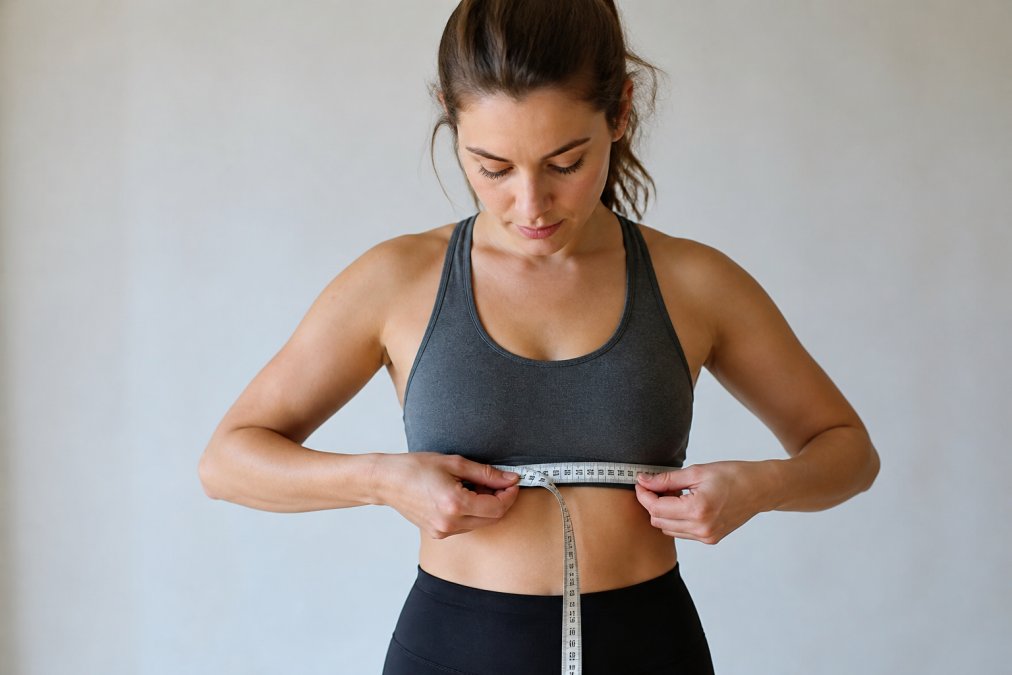
Measuring yourself at home requires a soft measurement tape, a mirror, and five minutes. The key is taking consistent measurements without pulling the tape too tight or leaving it too loose, as both produce inaccurate numbers.
Taking Your Band Measurement
Your band size determines the circumference around your rib cage. Wear an unpadded bra or no bra, and measure snugly around your underbust, the area directly below your breast tissue.
Positioning check: The tape should be parallel to the ground.
Determining Your Cup Volume
Cup size is relative to your band size, which is why sister sizes exist. Measure around the fullest part of your bust, keeping the tape level front and back, standing naturally.
The cup calculation: Subtract your band measurement from your bust measurement. Each inch of difference equals one cup size:
- 1 inch difference = A cup
- 2 inches = B cup
- 3 inches = C cup
- 4 inches = D cup
- 5 inches = DD cup
- 6 inches = DDD/F cup
Understanding Sister Sizes
Sister sizes are different band and cup combinations that provide the same cup volume. A 32D has the same cup volume as a 34C or 30DD, giving you flexibility if one band size feels uncomfortable.
Identifying Your Breast Shape and Body Type
Breast shape affects how lingerie sits on your body. Understanding your shape helps you choose pieces that work with your natural form rather than against it.
Common Breast Shapes and What They Mean
Round breasts work well with most bra styles. Teardrop-shaped breasts are fuller at the bottom and need good lower cup support. East-west breasts point outward and benefit from side support and defined cups.
Choosing Support Levels for Your Frame
Light support means minimal shaping for smaller cup sizes. Medium support provides moderate lift for everyday wear. High support offers significant lift for larger cup sizes or defined silhouettes.
Signs Your Lingerie Doesn't Fit
Common signs of poor fit include straps that slip off shoulders, a band that rides up in the back, cups that gap or overflow, and immediate discomfort.
The Scoop and Swoop Method: Getting the Perfect Fit
The scoop and swoop method helps position breast tissue correctly within the cup, dramatically improving fit.
Adjusting Straps, Bands, and Gore for Comfort
Strap tension matters significantly. Straps that are too loose won't provide support; straps that are too tight create shoulder pain. Adjust straps incrementally until they stay in place without digging in.
Professional Fittings and When to Seek Help
Professional fittings provide value if you've never been properly fitted or experienced significant body changes. A trained fitter can assess your shape and recommend styles for your specific needs.
When a Professional Fitting Is Essential
Seek a professional fitting if you're consistently uncomfortable in bras, unsure about your size, or have asymmetrical breasts.
- How to fit around surgical scars without pressure on healing tissue
- Asymmetry management when one breast is reconstructed or removed
- Prosthetic integration if you're using a breast form
- Sensitivity to certain fabrics or seam placements during recovery
- How swelling changes in the weeks and months after surgery
What to Expect During a Professional Fitting
- Measure you using the same band and bust measurements you'd take at home, but with trained consistency
- Ask about your concerns, what's uncomfortable, what you're looking for, any physical limitations or sensitivities
- Assess your shape and frame, noting whether you're full on top or bottom, asymmetrical, narrow-shouldered, or broad-backed
- Fit you in multiple sizes and styles, not just your calculated size, but sister sizes and different cuts to find what works best for your specific body
- Check the fit using the same criteria you'd use at home: band placement, strap position, cup coverage, gore contact
- Make recommendations based on your needs, not inventory pressure
A good fitter listens to your concerns and explains their recommendations. They should never pressure you to buy or shame you about your size.
Evaluating Fitter Expertise
Not all fitters have the same level of training. Look for fitters who:
- Work at independent lingerie boutiques rather than only at large retail chains (though some chain fitters are excellent)
- Can explain the reasoning behind their size recommendations
- Ask detailed questions about your comfort, lifestyle, and body rather than just measuring and handing you a bra
- Offer a range of sizes and styles, not just one brand or price point
- Are willing to discuss post-surgical, medical, or specialized fitting needs if that's relevant to you
Choosing Quality Pieces That Last
Quality lingerie that fits properly deserves care that makes it last. Start with construction details: look for reinforced seams, quality elastic that doesn't lose its stretch quickly, and fabric that feels substantial rather than thin or flimsy. Saratily's Comfort Lift Bra, for example, features adjustable straps and soft, breathable fabric designed for all-day wearability, the kind of construction that holds up through regular wear.

Frequently Asked Questions
How do I accurately measure my bra size at home?
Measure your underbust (directly under your breast tissue) while wearing an unpadded bra or no bra, keeping the measurement tape snug but not tight. Round to the nearest whole number, this is your band size. Then measure at the fullest part of your bust. The difference between bust and band measurements determines your cup size: each inch equals one cup size. For example, a 1-inch difference is an A cup, 2 inches is a B cup, and so on. Take measurements while standing straight, and repeat twice to ensure consistency.
What are sister sizes, and why do they matter for finding lingerie that fits?
Sister sizes are different band and cup combinations that offer the same cup volume. For instance, a 34C has the same cup volume as a 32D or 36B. Understanding sister sizes helps you find alternatives if your exact size isn't available or if you prefer a different band tightness. This flexibility is especially useful when shopping across brands, since sizing varies. If a 34C feels snug, trying a 36B in the same style might provide better comfort while maintaining the same cup volume.
What are the most common signs your lingerie doesn't fit?
Poor fit shows through several telltale signs: the band rides up in the back, straps slip off your shoulders, the underwire or gore (center panel) digs into breast tissue, breast tissue spills over the cup edges, or gaps appear between the cup and your chest. You might also experience discomfort during wear, visible bulging under clothes, or the need to constantly adjust straps. Asymmetry, where one breast sits differently than the other, is normal, but your lingerie should accommodate minor differences without creating visible gaps or compression on one side.
How should I choose lingerie for my body type?
Start by identifying your breast shape (rounded, teardrop, asymmetrical, or fuller bust) and your overall frame size. Fuller busts benefit from underwire bras with structured support and wider straps to distribute weight. Smaller frames may prefer wireless or lightly padded styles for comfort. Consider your posture needs: if you spend long hours sitting, adjustable straps and ergonomic support matter more. The Saratily Comfort Lift Bra, for example, offers wire-free lift with adjustable straps suitable across sizes, making it adaptable for various body types seeking all-day wearability.
Why does lingerie fit differently across different brands?
Bra construction, materials, and sizing standards vary significantly between manufacturers. Some brands cut their cups deeper or shallower, use different elastic tension in bands, or grade their sizes inconsistently. A 34C from one brand may feel entirely different from another brand's 34C due to differences in underwire shape, strap placement, and cup projection. This is why professional fitting and trying multiple styles is valuable, what works perfectly in one brand might not suit your body in another. Always reference the specific brand's sizing chart and read fit feedback from other customers.
What is the scoop and swoop method, and does it really help?
The scoop and swoop method involves scooping breast tissue from the underarm area and swooping it into the cup from the side, ensuring all tissue sits properly within the bra structure. This technique helps you assess whether your current size truly fits or if you need a different cup volume. Perform it after fastening the bra: if tissue sits smoothly without spillage and the gore lies flat against your breastbone, your fit is correct. If you can't scoop and swoop without gaps or overflow, your size needs adjustment. This method is especially useful for identifying asymmetry and ensuring proper cup coverage.
Should I get a professional bra fitting, and how often?
A professional fitting is valuable when you're unsure of your size, experiencing persistent fit issues, or after significant body changes (weight fluctuation, pregnancy, surgery). Many specialty lingerie retailers offer free or low-cost fittings. Aim for a fitting every 1-2 years, as breast tissue and body composition naturally shift over time. Between fittings, monitor your fit by checking for band ride-up, strap slippage, and cup gaps. If you notice consistent issues, a professional can identify whether the problem is band size, cup volume, or bra style, saving you money on poorly fitting purchases.