

Table of Contents
- How Non-Piercing Rings Actually Stay in Place
- Magnetic Closure vs. Tension Clips: Which Mechanism Holds Better
- How to Adjust Clip-On Rings for Your Anatomy
- Magnetic Body Jewelry Security: What Keeps It From Slipping
- Non-Piercing Jewelry for Sensitive Skin: Materials That Prevent Irritation
- Retention Testing: How Non-Piercing Rings Hold Up During Daily Activity
- Temporary vs. Permanent Piercing: Comfort, Cost, and Commitment
- Cleaning and Maintenance for Long-Lasting Wear
- Frequently Asked Questions
Last Updated: September 14, 2026
How Non-Piercing Rings Actually Stay in Place
Do non-piercing rings stay on? Yes, when the mechanism matches your anatomy and activity level. Non-piercing rings create the look of a piercing using a magnetic closure, tension clip, or adhesive backing instead of a hole through the skin. At Saratily, our non-piercing magnetic jewelry is designed to feel secure without pinching.
Retention comes down to three forces: clamping pressure, friction against the skin, and ring geometry. Get all three right and a faux piercing survives a full day; get one wrong and it slides off in an hour.
The Physics of a Secure Fit: Clasp Strength and Pinch Pressure
Clasp strength determines how much force the jewelry applies to your skin; pinch pressure determines whether that force feels comfortable. A magnetic closure holds through direct attraction between two halves of the ring. A tension clip holds through spring-loaded pressure, the way a bobby pin grips hair.
Balance matters more than raw strength. Too little pressure and the ring rotates or slips; too much and you get redness and tenderness. Most well-made clip-on hoops sit in a narrow middle band where the grip is firm but the skin isn't compressed enough to complain.
Magnetic Closure vs. Tension Clips: Which Mechanism Holds Better
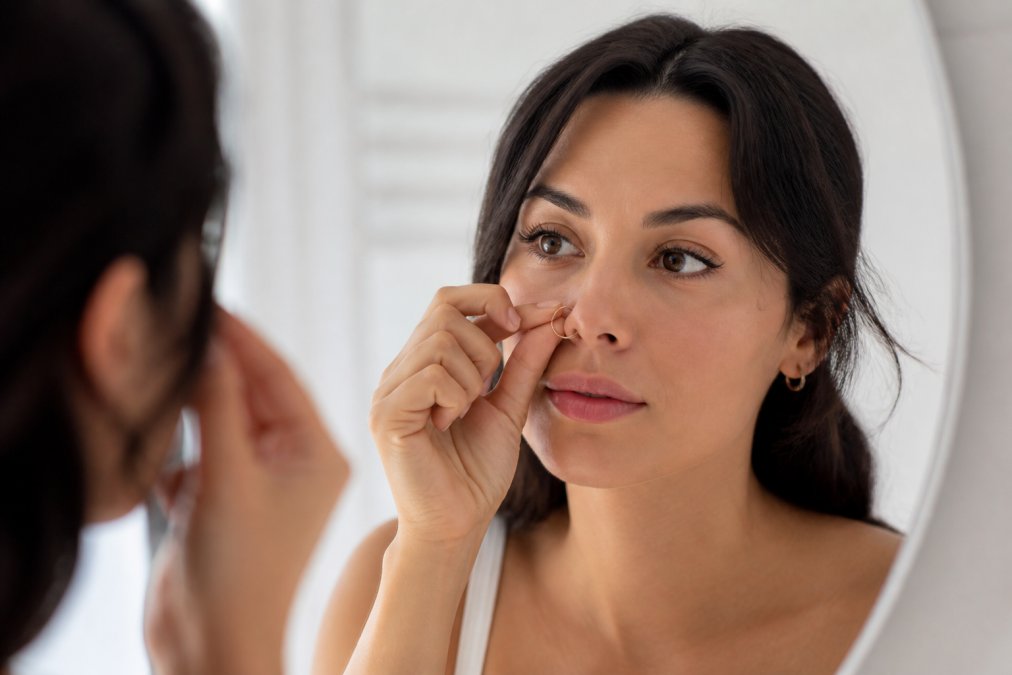
Magnetic closures hold better on thicker tissue like the earlobe or nostril; tension clips hold better on thin cartilage where a magnet has less surface to grip. Here's how they compare:
| Mechanism | Best Placement | Hold Strength | Adjustability | Skin Contact |
|---|---|---|---|---|
| Magnetic closure | Nose, lip, earlobe | Firm on thicker tissue | Fixed magnet pairing | Full surface contact |
| Tension clip | Cartilage, helix, septum | Firm on thin edges | Bendable for fit | Two-point pressure |
| Adhesive backing | Flat skin, temporary looks | Light, short-term | None | Full adhesive contact |
Magnetic body jewelry security depends on magnet quality and skin thickness. Neodymium magnets hold firmly through a nostril or lobe but lose grip on very thin cartilage, where there's less tissue to compress. Tension clips solve that by gripping the cartilage edge directly.
The trade-off is adjustability. A tension clip can be gently bent to match your anatomy. A magnet cannot; you either have the right pairing or you don't.
Why Anatomy Fit Decides Which Mechanism Works
The biggest reason a non-piercing ring falls off is the wrong mechanism for the wearer's anatomy, not a defective product.
- Earlobe thickness. Lobe tissue is soft and roughly 6-10 mm thick on most adults, giving a magnet plenty to clamp, which is why lobe magnets are the most reliable category (pubmed.ncbi.nlm.nih.gov). A tension clip works too, but can slide down the tapering lobe over a long day.
- Nostril curvature. Nostril walls curve inward, so a flat magnet pair loses contact at the edges while a C-shaped tension clip follows the curve and grips the rim. That's why faux nostril rings are usually clips.
- Septum and bridge. These are thin, high-mobility areas where magnets have almost no tissue to compress and clips can pinch the septum's membrane. A wider-contact faux septum ring or soft silicone-backed piece is safer.
- Cartilage and helix. Cartilage is thin but firm, ideal for a tension clip, poor for a magnet. The clip grips the edge; the magnet has nothing to squeeze.
- Lip and mouth area. The lip moves constantly, so any mechanism must survive flexing. Magnets hold on the outer lip but shift when you talk; clips hold better on the lip edge but can catch on teeth if too long.
Quick self-check before buying: pinch the target spot between thumb and forefinger. A solid fold of tissue means a magnet will likely work; mostly skin over cartilage means choose a clip.
Hold Strength in Plain Terms
Manufacturers rarely publish pull-force numbers, but you can compare mechanisms by how they fail:
- Magnets fail by sliding. Once the halves shift sideways, attraction drops fast and the ring releases, which is why oily skin and skincare products are the magnet's worst enemy.
- Clips fail by rotating. The spring keeps tension, but the ring can spin until the opening faces the wrong way and it drops off.
- Adhesives fail by lifting at the edges. Sweat and facial oils creep under the adhesive and peel it from the outside in.
Knowing the failure mode tells you what to test: magnets after moisturizer or sunscreen, clips after turning your head or talking, adhesives after 30 minutes of sweat-inducing activity.
How to Adjust Clip-On Rings for Your Anatomy
Adjusting a clip-on ring takes about two minutes and one tool: your fingers. The goal is even pressure on both sides, not maximum tightness.
- Start loose. Open the clip slightly wider than you think you need. You can always tighten; over-bending weakens the metal.
- Place, don't force. Slide the ring onto the target spot and let it rest. Note where it feels loose or tight.
- Bend in small increments. Apply gentle pressure to the clip arms, no more than a millimeter at a time.
- Re-test after each adjustment. Wear it for a few minutes before adjusting again.
- Check the pressure points. After removal, look for two even marks. One deep mark means the clip is uneven.
Sizing is the most overlooked part of non-piercing jewelry: a clip that fits a narrow nostril will slide off a wider one. Buy adjustable clips when unsure of your fit.
Magnetic Body Jewelry Security: What Keeps It From Slipping
Magnetic jewelry slips for three reasons: weak magnets, oily skin, and the wrong placement for the tissue thickness. Fix placement first, it's free.
Nostrils and earlobes have enough tissue for a magnet to grip well; the bridge, septum, and thin cartilage edges do not. For a septum look, a tension clip or faux septum ring with wider contact area holds far better than a magnet.
Skin condition matters too: moisturizer, sunscreen, and natural oils reduce friction. Apply skincare first, let it absorb fully, then put the jewelry on.
Non-Piercing Jewelry for Sensitive Skin: Materials That Prevent Irritation
Non-piercing jewelry for sensitive skin should be made from surgical steel, titanium, or another hypoallergenic material, because nickel is the most common trigger for contact dermatitis in jewelry wearers (the American Academy of Dermatology). The American Academy of Dermatology guidance on nickel allergy notes that nickel reactions are among the most frequent causes of allergic contact dermatitis.
Surgical steel and titanium resist corrosion and release very little metal onto the skin, which is why they dominate the body jewelry market. If you've reacted to cheap fashion earrings, the culprit was almost certainly a nickel-plated base metal, not the design.
Watch the adhesive on stick-on pieces too: convenient for a one-night look, but repeated use on the same spot can irritate skin, especially on the face. Rotate placement and give skin a break between wears.
Saratily's stainless steel fake lip and nose ring set uses 316L stainless steel with a C-clip design, which is a sensible choice for anyone who has reacted to plated jewelry in the past.
Retention Testing: How Non-Piercing Rings Hold Up During Daily Activity
Retention testing means wearing the piece through a specific activity and checking whether it shifted, rather than judging the hold in front of a mirror. Almost nobody does this, which is why people conclude non-piercing jewelry "doesn't work."
Run your jewelry through these tests before trusting it for a full day out:
- Talking test: Read a paragraph aloud. Does the lip or nose piece move with your mouth?
- Chewing test: Eat something chewy. Lip rings fail here more than anywhere else.
- Sweat test: Exercise for 15 minutes. Sweat reduces friction and reveals weak clasps.
- Hair test: Run your fingers through your hair. Ear pieces snag on strands when the clip is loose.
- Mask or glasses test: Put on and remove glasses or a mask several times. These catch on nose and ear jewelry constantly.
- Sleep test: Side sleepers should test overnight wear before relying on it.
A ring that passes all six will handle a normal day. One that fails the chewing or sweat test needs a tighter clip or a different mechanism entirely.
Temporary vs. Permanent Piercing: Comfort, Cost, and Commitment
Temporary jewelry wins on commitment and reversibility; permanent piercing wins on permanence. A piercing is a wound needing weeks to months of healing, daily cleaning, and aftercare, while non-piercing jewelry goes on and comes off in seconds. The trial period is the strongest case for going temporary first: wearing a faux piercing for a week tells you whether you like how a nose ring looks on your face, how it reads with your wardrobe, and whether your workplace will care, information a piercing needle can't give back. Cost favors temporary pieces up front too: a clip-on ring costs a fraction of a professional piercing plus jewelry, with no healing period, though clip-on pieces need replacing more often than a healed piercing's jewelry. For anyone testing a new look, go temporary first, permanent only if you still want it after a few months.
The Wear-Test Guide: How Temporary Jewelry Holds Up by Activity
The useful question is whether a non-piercing ring survives the specific things you actually do.
Exercise and sweat. Sweat is the biggest threat to magnet retention because it reduces friction. Wear a magnetic piece through a 15-minute warm-up and check for shifting; if it moves, switch to a tension clip for workouts, since spring pressure doesn't depend on friction. Wipe contact surfaces dry after sweaty sessions, salt residue weakens the hold.
Swimming and showering. Chlorinated pool water and hot shower water soften skin and reduce grip, hitting magnets hardest. Clips handle water better but can rust if the metal isn't stainless or titanium, so check the material first. Adhesive pieces should come off before submersion, water lifts the edges fast.
Sleeping. Side sleepers put hours of direct pressure on ear and nose jewelry. Magnets can shift and release; clips can dig in and leave marks by morning. To sleep in a non-piercing ring, choose a low-profile clip with rounded arms and test it on a free morning.
Talking and eating. Lip and nose pieces move with your mouth. A chewing test, something chewy like a bagel or jerky, reveals whether a lip ring stays put through a meal. Most lip pieces that fail, fail here.
Glasses, masks, and hair. These catch on nose and ear jewelry constantly. Put glasses on and off several times and run fingers through your hair before deciding a piece is secure.
A ring that passes all five categories handles a normal day. One that fails the sweat or chewing test needs a tighter clip or a different mechanism.
Skin Sensitivity and Adhesive Safety
Temporary jewelry touches your skin differently than a healed piercing, and that matters for sensitive skin.
- Metal alloys. Nickel, the most common trigger for allergic contact dermatitis, hides in plated base metals. Surgical steel and titanium release very little metal onto the skin, which is why they dominate the market. If you've reacted to cheap fashion earrings, the culprit was almost certainly a nickel-plated base metal, not the design.
- Adhesives. Stick-on pieces use pressure-sensitive adhesives that can irritate skin with repeated use on the same spot, especially on the face. Rotate placement, give skin a break between wears, and remove adhesive slowly with warm water rather than pulling it off dry.
- Pinch bruising. Magnets can snap together on skin hard enough to bruise. Seat the ring slowly rather than letting the halves snap.
- Prolonged pressure marks. A clip leaving a deep mark after 30 minutes is too tight. Two even, faint marks are normal; one deep mark means the clip is uneven and needs adjustment.
If you have a known metal allergy, patch-test any new piece on the inside of your wrist for an hour before wearing it on your face or ears. That habit prevents most irritation people blame on non-piercing jewelry.
Comfort and Wearability Over a Full Day
The honest difference between temporary and permanent isn't just commitment, it's how each feels after eight hours. A healed piercing becomes invisible to your nervous system; a non-piercing ring never fully disappears from awareness because it applies constant pressure or adhesion.
That's not a dealbreaker, but it changes how you choose. Lighter pieces with rounded edges disappear faster than heavy statement pieces, and clips that spread pressure across a wider contact area feel better than thin-wire clips. Taking the piece off for an hour midday resets the skin.
For anyone testing a new look, go temporary first, permanent only if you still want it after a few months, and only after wearing the temporary version through a full day, a workout, and a night's sleep.
Cleaning and Maintenance for Long-Lasting Wear
Cleaning non-piercing jewelry takes under a minute and prevents most problems people blame on the jewelry. Oils, dead skin, and product residue build up on contact surfaces, weakening the hold and irritating skin.
Wipe the jewelry with a soft cloth after each wear; once a week, wash with mild soap and warm water and dry completely before storing. Skip alcohol-based cleaners on adhesive-backed pieces, since they break down the adhesive.
For magnetic pieces, check the magnet faces for grit, a single grain of sand can noticeably cut holding strength. Store magnetic jewelry with the halves separated so they don't snap together and chip.
A common mistake is bending a tension clip back and forth to "loosen it up." Every bend weakens the metal, and after enough cycles the clip stops springing back. Set the fit once, then leave it alone.
Saratily's UrbanEdge clip-on hoop set is built with a spring fit designed to hold that adjustment, and the Saratily EarClips use a magnetic fit that rests in place without pinching.
Frequently Asked Questions
How do magnetic non-piercing rings stay attached?
Magnetic non-piercing rings use two small magnets that pull toward each other through the skin, creating a secure hold without any piercing. The magnet strength and ring weight are matched so the jewelry stays put during normal movement. For best results, position the magnets directly opposite each other. If the ring feels loose, try a stronger magnet pair or a smaller ring size. Magnetic body jewelry security depends on correct placement and clean skin, since oils or lotion can weaken the grip.
Can you wear non-piercing jewelry during physical activity?
Light activity like walking, yoga, or desk work is fine with most non-piercing rings. For running, weightlifting, or contact sports, clip-on and magnetic styles can shift or fall off because sweat reduces friction and sudden movements test the clasp. Test retention by gently tugging the ring before your workout. If it moves easily, remove it or switch to a tighter tension clip. Many people keep a spare set in their gym bag for quick swaps after exercise.
Do clip-on rings cause skin irritation?
Clip-on rings can irritate skin if the metal contains nickel or if the clip pinches too tightly. Choose hypoallergenic materials like surgical steel or titanium, which reduce contact dermatitis risk. Adjust the tension so the ring stays put without leaving marks. Clean the ring and your skin daily with mild soap and water. If redness or itching appears, remove the jewelry and let your skin rest. Sensitive skin benefits from coated or nickel-free metals and short wear times at first.
What is the best way to adjust tension on faux rings?
To adjust tension on faux rings, locate the clip or spring mechanism and gently bend it outward to loosen or inward to tighten. Make small changes, then test the fit on your finger, nose, or ear. The ring should feel snug but not painful. For magnetic styles, swap the magnet pair for a stronger or weaker set. Always adjust before wearing, never while the ring is on your body. Proper fit adjustment prevents slippage and keeps the jewelry comfortable for daily wear.
Getting a faux piercing to stay put comes down to matching the mechanism to your anatomy, adjusting the fit properly, and testing it through real activity before you trust it for a night out. That's exactly the approach behind Saratily's non-piercing magnetic jewelry line, from stainless steel clip-on nose and lip rings to magnetic ear clips designed for comfortable daily wear. Explore the collection and find a piece that holds as good as it looks.