

Table of Contents
- How to Hand Wash Lace Underwear Without Damaging It
- Best Detergent for Delicate Lingerie (And What to Avoid)
- How to Dry Lace Lingerie Without Stretching or Warping
- How to Store Lace Lingerie to Prevent Snags and Stretching
- Common Mistakes That Ruin Lace Lingerie
- When to Repair vs. Replace Your Lace Pieces
- Conclusion: Keep Your Lace Looking New
- Frequently Asked Questions
Last Updated: September 15, 2026
How to Hand Wash Lace Underwear Without Damaging It
Delicate lace lingerie lasts longest when you hand wash it in cool water with a gentle detergent, then press it dry flat away from heat. Machine washing isn't automatically fatal, but the agitator and high spin speeds stretch the fine threads that give lace its shape. This guide walks through the full routine, from wash water to storage drawer.

Most damage happens in the first sixty seconds of care, not the first wear.
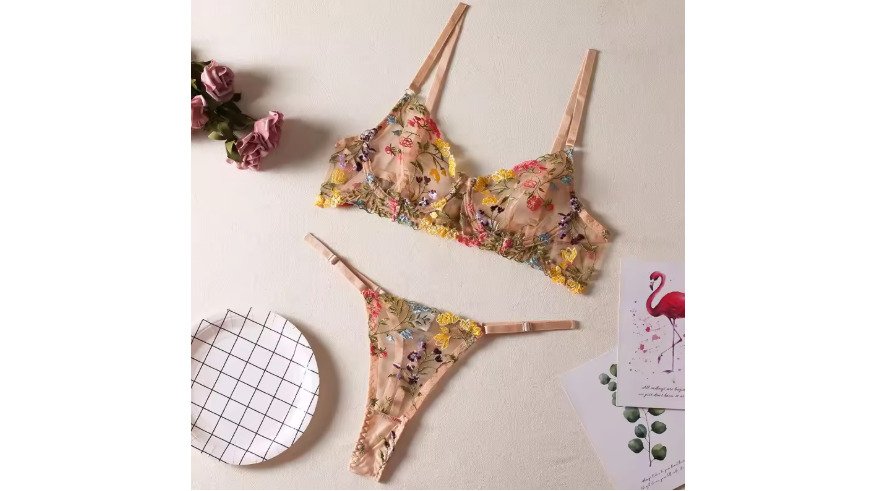
Step-by-Step Hand Washing Instructions
- Fill a clean basin with cool water, roughly room temperature.
- Add a capful of gentle detergent and swirl it through the water before the garment goes in.
- Submerge the piece and let it soak for five minutes.
- Gently press the suds through the fabric with your fingertips. Never scrub or wring.
- Rinse in fresh cool water until it runs clear.
- Press the water out between two towels. Do not twist.
The whole process takes about ten minutes. What most guides miss is the soak: skipping it forces you to scrub harder, and scrubbing is what pulls lace threads out of alignment.
Best Detergent for Delicate Lingerie (And What to Avoid)
The best detergent for delicate lingerie is a pH-neutral, enzyme-free formula labeled for hand washing or delicates (the FTC). Regular laundry detergent is built for cotton and synthetics at higher temperatures, and its enzymes and brighteners are too aggressive for fine lace. A mild castile soap or a dedicated wash like Soak or Eucalan works well.
Ingredients That Break Down Lace Fibers
- Chlorine bleach: degrades elastic and yellows white lace over time
- Enzymes: break down protein-based fibers and can weaken stretch blends
- Optical brighteners: leave residue that stiffens sheer fabric
- Fabric softener: coats fibers, kills breathability, and reduces stretch recovery
If a stain won't budge with gentle detergent, spot-treat with diluted white vinegar before washing. The FTC guidance on textile care labels is a useful reference for what manufacturers are required to disclose about washing instructions.
How to Dry Lace Lingerie Without Stretching or Warping
Lay lace flat on a clean, dry towel, reshape it to its original silhouette while damp, and let it air dry away from heat and direct sun. Hanging wet lace lets gravity pull on the open net structure, which is why a bodysuit or a garter belt hung by its straps will dry a full size longer than it started. If you must hang, use a padded hanger and support the weight at the band, never the straps.
Why the Dryer Is Off-Limits
Heat is the enemy of every fiber in lace lingerie. The dryer's tumbling action also causes friction against zippers, hooks, and other garments, which snags the delicate net structure. Even on low, a single cycle can shrink a lace bra by a full cup size and warp underwire channels (cleaninginstitute.org).
The Static Problem Nobody Warns You About
Lace is usually a blend, nylon, polyester, spandex, sometimes cotton, and those synthetic fibers build up static charge as they dry. That charge is why a lace bralette clings to a silk slip, a synthetic camisole, or even your own skin after a wash. The fix is not fabric softener, which coats the fibers and kills stretch recovery. Instead:
- Add a wool dryer ball to the air-dry area only if you are tumble-drying on no-heat, never with heat.
- Keep a bottle of anti-static spray (look for one labeled fabric-safe and alcohol-free) and mist the inside of the garment, not the lace face.
- Separate lace from synthetic shapewear and athletic fabrics during drying so the charge has nowhere to jump.
- A quick pass with a clean, dry rubber glove or a metal hanger drawn along the inside seam discharges static without any product at all.
Color Matching and the 'Ghosting' Effect
A drying mistake that shows up later: hanging a dark lace piece against a light towel, or a light piece against a dark one, can transfer dye while the fabric is still damp. More importantly, how you dry affects how the lace reads against skin. Sheer lace that is stretched out of shape during drying will sit differently on the body and can create a visible shadow, the 'ghosting' effect, under thin dresses. Reshaping while damp keeps the pattern sitting flat, which is what prevents that shadow.
Pattern, Texture, and What Shows Through
Intricate lace patterns, florals, geometrics, corded edges, hide texture differences better than plain net because the eye reads the pattern, not the surface. Plain or very open netting, by contrast, highlights whatever is underneath, including the texture of shapewear or a seam. When you dry a plain-net piece, lay it pattern-side down on the towel so the raised detail does not flatten, and store it flat once dry so the pattern keeps its dimension. A flattened pattern reads as a flat surface, and a flat surface is what shows through.
How to Store Lace Lingerie to Prevent Snags and Stretching
Store lace lingerie flat in a drawer, folded loosely with tissue paper between layers. Hanging is the most common storage mistake: it puts continuous tension on straps and shoulder seams, which is why so many bras lose their shape long before the fabric wears out. A lined drawer or a soft fabric box keeps pieces dust-free and snag-free.
Fabric Friction: The Drawer Problem Competitors Skip
Lace is a textured fabric, and texture against texture creates friction. Every time you open and close a drawer, pieces shift, and that shift rubs lace against whatever is next to it. Over months, friction abrades the raised threads of a floral or corded pattern until the detail goes fuzzy. The fix is not more tissue paper, it is separating by texture:
- Keep smooth fabrics (silk, satin, microfiber) in one section and textured lace in another.
- Never store lace directly against hook-and-eye closures, zippers, or the rough side of Velcro.
- If you stack, put the heaviest piece on the bottom and the most delicate on top, so weight does not press pattern into pattern.
Static in Storage
Synthetic lace blends hold a static charge even when dry, and a closed drawer traps it. That is why a lace bralette pulled from a drawer can cling to a slip or a camisole the moment you put it on. A few habits break the charge:
- Line the drawer with a natural-fiber mat (cotton or linen) rather than a synthetic liner.
- Keep a cedar block or a small sachet of dried lavender in the drawer, both absorb moisture and reduce the dry-air conditions that build static.
- Avoid plastic bins entirely. Plastic traps humidity and static, and it is the single worst storage material for lace.
Color Matching and Dye Transfer
Damp or freshly washed lace can transfer dye to whatever it touches. Once dry, dark lace stored against light lace can still leave a shadow over time, especially in humid conditions. Store dark and light pieces in separate sections, and if you are storing a new dark piece for the first time, wash it once before it goes in the drawer.
Pattern and Shape Retention
How you fold matters as much as where you fold. Molded-cup bras should be nested, one cup inside the other, not stacked flat, so the cups do not crush each other.
Common Mistakes That Ruin Lace Lingerie
When to Repair vs. Replace Your Lace Pieces
Signs it's time to let a piece go:
Conclusion: Keep Your Lace Looking New
Frequently Asked Questions
Can you put lace lingerie in the washing machine?
Lace lingerie can go in the washing machine, but only if you use a mesh laundry bag, cold water on the delicate cycle, and a gentle detergent. Even then, the agitation and spin cycle can stretch lace and break delicate fibers. Hand washing is safer for pieces with intricate lace, embroidery, or underwire. If you must use a machine, treat it as a last resort and never mix lace with heavy items like jeans or towels.
What is the best way to hand wash delicate lace?
Fill a clean sink or bowl with cool water and a capful of gentle detergent. Submerge the lace and let it soak for 10 to 15 minutes. Gently press the suds through the fabric with your fingers, avoiding rubbing or wringing. Rinse with cool water until no soap remains. Press the water out between two towels, then lay flat to dry. This method protects the lace structure and prevents stretching.
How often should you wash lace lingerie?
Wash lace lingerie after every two to three wears, or after each wear if you've been sweating heavily. Lace traps body oils and lotions, which can dull the fabric and weaken fibers over time. If you're rotating several pieces, you can extend wear between washes by airing them out overnight. Never go more than three wears without washing, as bacteria and oils build up and break down the delicate material.
What kind of detergent is safe for delicate lace?
Use a pH-neutral, enzyme-free detergent labeled for delicates or lingerie. Avoid detergents with bleach, fabric softeners, or optical brighteners, as these can degrade lace fibers and cause yellowing. A small amount of mild baby shampoo or castile soap also works in a pinch. Always check the label for 'gentle' or 'free and clear' formulas, and skip anything with strong perfumes that can irritate sensitive skin.