

Table of Contents
- Master Your Measurements Before You Shop
- Understand Fabric Types and Material Quality
- Evaluate Retailer Reliability and Security
- Read Reviews and Assess Fit Consistency
- Balance Comfort and Aesthetic Appeal
- Know Return Policies and Hygiene Standards
- Care for Delicate Lingerie to Extend Its Life
- Address Common Fit Challenges and Solutions
- Frequently Asked Questions
Last Updated: September 19, 2026
Master Your Measurements Before You Shop
Getting your measurements right is the foundation of buying intimate apparel online. Start with a soft measuring tape and wear an unpadded bra or no bra. Measure three key areas: band size (directly under your bust), bust size (at the fullest part), and underbust (just below your bust). The difference between bust and band measurements determines your cup size.
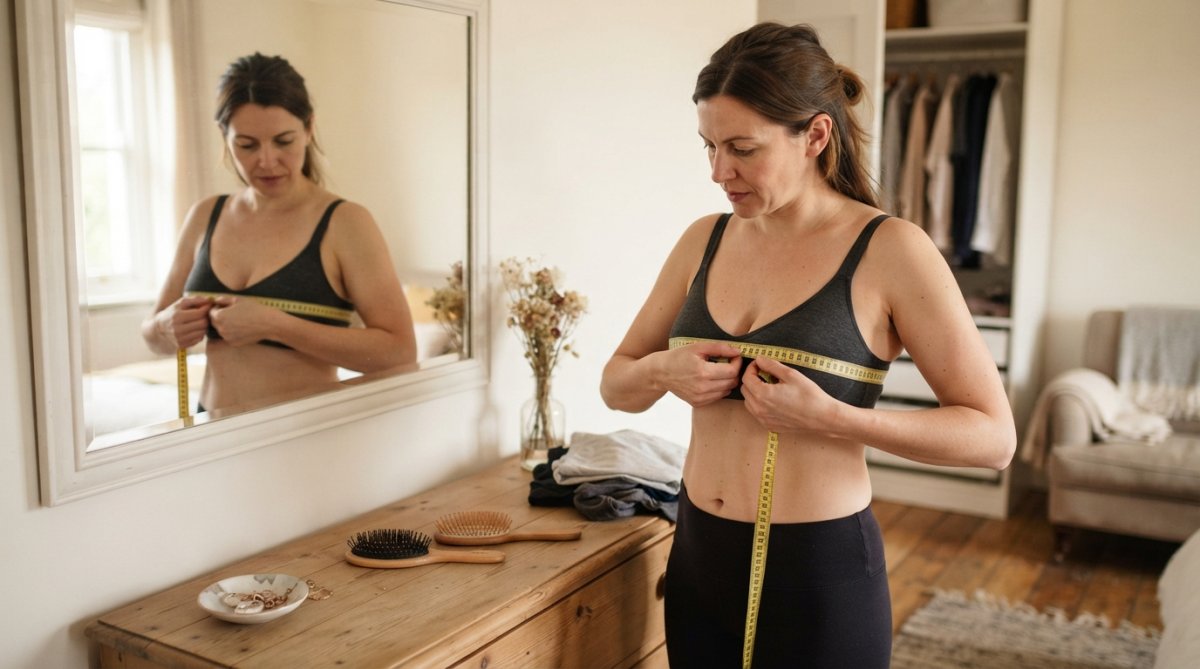
For thong and underwear sizing, measure hip circumference at the fullest part and natural waist. Most brands use S, M, L, XL sizing; check the retailer's size chart before purchasing. Saratily's products, like the Seamless Invisible Thong Underwear for Women - 5 Pack, come with detailed size guides that match your measurements to the right fit.

Understand Fabric Types and Material Quality
Fabric choice determines comfort and durability. Lace drapes beautifully but snags easily; satin feels luxurious but can slip; silk is gentle but expensive. For everyday wear, cotton blends combine comfort with durability. Nylon and spandex blends offer stretch and recovery. Check fabric composition percentages in product descriptions to understand what you're buying.
Evaluate Retailer Reliability and Security
Before purchasing, verify secure checkout (look for "https://" and a padlock icon). Check for clear contact information and read the privacy policy. Saratily maintains transparent business practices and secure checkout processes, making it a reliable choice for buying intimate apparel online.
Read Reviews and Assess Fit Consistency
Look for reviews from people with similar body types mentioning specific details: elastic durability, whether the piece stays in place, and shape retention after washing. Reviews noting "runs small" or "runs large" are particularly valuable. Prioritize long-term wear feedback over first impressions.
Balance Comfort and Aesthetic Appeal
Comfort and aesthetics should work together. Underwire provides lift and definition but can dig into ribs if not properly fitted; wireless options offer freedom of movement but less support. Neither is universally better, it depends on your body's needs.
Look for pieces with reinforced seams and quality elastics that won't roll, bunch, or dig into your skin. Products like Saratily's Women's Lace Cut-Out Thong combine aesthetic appeal with breathable, seamless construction designed for all-day comfort.

Consider the occasion. Special-occasion pieces can prioritize visual impact; everyday essentials must prioritize comfort. Many benefit from having both statement pieces and comfortable basics.
Know Return Policies and Hygiene Standards
Intimate apparel returns involve hygiene considerations that differ from other clothing. Most retailers won't accept returns on intimate apparel if the item has been worn, washed, or shows signs of use. This is an industry standard, not a sign of poor quality.
Before purchasing, understand the retailer's specific return policy. Can you return unworn items with tags attached? What's the return window, 30 days, 60 days, or longer? Some retailers offer exchanges instead of refunds, which can be helpful if you need a different size. A few retailers offer trial periods where you can wear and wash the item before deciding to keep it, though this is less common.
Check whether the retailer requires original packaging for returns. Some accept returns in any condition as long as items are unworn, while others are stricter. Knowing these details before you buy prevents frustration if something doesn't fit or meet your expectations.
For hygiene reasons, many retailers recommend trying items on over underwear rather than directly against skin if you want the option to return them. This protects both you and the retailer. When an item is purchased with the intention to keep it, hygiene standards are less restrictive since it's becoming part of your personal collection.
Care for Delicate Lingerie to Extend Its Life
Proper care is the difference between a piece lasting six months and lasting two years.
Why Hand Washing Matters More Than You Think
Hand wash in cool water with pH-balanced cleanser; avoid bleach and fabric softeners. For heavily soiled items, soak for 15-30 minutes before gently agitating by hand. Rinse thoroughly to prevent soap buildup, which traps moisture and causes mildew.
Drying and Storage: Preventing Shape Distortion
Never use a dryer; heat damages elastane. Lay pieces flat to air dry or hang structured bras on dedicated hangers. Dry in shaded, well-ventilated areas to prevent color fading and mildew.
Store in cool, dry locations away from sunlight. Fold everyday underwear to prevent elastic stretching; use padded hangers or nested cups for structured bras. Use breathable cotton bags instead of plastic containers.
The Rotation Strategy: Why Rest Days Matter
Elastic needs recovery time between wears. Rotate through five to seven pieces to extend lifespan; a piece worn three times weekly with rest days lasts longer than daily wear.
Seamless Invisible Thong Underwear for →
Troubleshooting Common Damage
If you catch a lace thread, gently push it back through using a fine-tooth comb. A drop of clear nail polish can prevent small runs from spreading. Elastic that has lost stretch cannot be restored; extend its life by avoiding heat and chlorine. Persistent odor indicates incomplete rinsing or damp storage; rewash with extra rinses and dry in sunlight.
Address Common Fit Challenges and Solutions
Understanding how different body types experience fit helps you make better choices when buying intimate apparel online. Recognizing your body type and common fit issues for your shape improves success.
Fit Challenges for Petite Frames
Petite shoppers often struggle with band placement and strap positioning. Look for petite-specific sizing or XS band sizes. Thong leg openings may sit too low; prioritize reviews mentioning petite fit. A size down from your calculated band size may fit better, though this varies by brand.
Fit Challenges for Plus-Size and Curvy Bodies
Plus-size shoppers face different challenges. Band ride-up is common when the band is too large relative to your underbust measurement. If your band rides up in the back, you need a smaller band size, not a larger cup. Conversely, if you experience quadboob (spillage over the cup), you need a larger cup size, not a larger band.
Leg opening gaping is another frequent issue for curvy bodies. If thongs or underwear gap at the leg opening, it's usually because the leg opening is cut too narrow for your thigh circumference. Some brands cut leg openings wider than others. Reviews from plus-size shoppers mentioning "comfortable leg opening" or "no digging" are valuable signals. Avoid pieces where reviewers mention "digs into thighs" or "leaves marks."
Band width also matters more for plus-size bodies. A narrower band (under 1 inch) may dig into soft tissue, while a wider band (1.5 inches or more) distributes pressure more evenly. Check product photos and descriptions for band width specifications. Brands that cater to plus-size customers often use wider bands and softer elastic.
Wire-free or wireless options are often more comfortable for plus-size bodies because they eliminate the pressure point of an underwire. However, some plus-size shoppers prefer underwire for the support it provides. This is a personal preference, but reviews from plus-size customers will tell you whether a wireless piece provides adequate support or feels unsupported.
Fit Challenges for Athletic and Smaller-Bust Bodies
Athletic bodies with minimal breast tissue often experience gaping in the cup. This happens when the cup is too large or when the band is too loose. If you have a small bust relative to your band size, you may need to size down in the cup or try brands that specialize in smaller cup sizes (AA, A, B). Some mainstream brands don't offer these sizes, so seeking out specialty retailers is necessary.
Band tightness is also different for athletic bodies.
Universal Fit Issues and How to Solve Them
Using Reviews Strategically for Your Body Type
Frequently Asked Questions
How do I measure myself correctly for lingerie at home?
Use a soft measuring tape and wear an unpadded bra. Measure your band size by wrapping the tape snugly under your bust parallel to the ground, then measure loosely over the fullest part of your chest. Subtract the band measurement from the bust measurement to find cup size (each inch equals one cup size). Write down both measurements and check the retailer's size chart, as sizing varies across brands. Take measurements in the morning when breast tissue is less swollen for accuracy.
What should I look for in quality intimate apparel fabrics?
Quality intimate apparel uses breathable, durable materials like cotton blends, silk, satin, and lace that maintain elasticity after multiple wears. Check the product description for fabric composition percentages, higher natural fiber content generally means better comfort and longevity. Avoid fabrics that feel stiff or overly thin, as these tend to lose shape quickly. Look for reinforced seams and secure stitching in product photos. Breathability is essential for everyday essentials, while special occasion pieces may prioritize aesthetic appeal over pure comfort.
How can I ensure intimate apparel will fit before purchasing online?
Start by knowing your accurate measurements and comparing them against the retailer's specific size chart rather than assuming standard sizing. Read customer reviews that mention fit consistency and whether the piece runs small, large, or true to size. Look at product photography showing the item on different body types to assess coverage and silhouette. Check the return policy to understand your options if the fit isn't right.
What's the best way to care for delicate lingerie to make it last longer?
Hand wash delicate lingerie in cool water with a gentle detergent designed for delicate fabrics, or use the delicate cycle on your washing machine in a mesh bag. Avoid bleach, fabric softeners, and high heat, which damage elastic and delicate materials like lace and satin. Air dry flat or hang to dry rather than using a dryer. Store in a drawer away from direct sunlight to prevent fading and degradation. Proper care extends the life of your pieces significantly, making them more economical long-term investments in your wardrobe.