

Table of Contents
- Why Breathable Lace Outperforms Other Fabrics in Heat
- How Open-Weave Lace Structures Enable Airflow and Ventilation
- Moisture-Wicking and Thermal Regulation: The Science Behind Comfort
- Best Summer Lingerie Fabrics: Natural Fibers vs. Synthetic Blends
- Lace and Skin Health: Heat Rash Prevention and Sensitivity
- How to Care for Delicate Lace Garments Year-Round
- Styling Breathable Lace for Hot Weather and Layering
- Frequently Asked Questions
Last Updated: October 3, 2026
Why Breathable Lace Outperforms Other Fabrics in Heat
When summer temperatures spike, fabric choice directly impacts comfort and skin health, which is why choose breathable lace for summer becomes an obvious decision. Breathable lace for summer combines elegance with functional benefits that synthetics cannot match: its open-weave structure creates pathways for air circulation and moisture evaporation that denser fabrics block entirely.
Customers consistently return to breathable lace during warmer months because it solves the trapped-heat problem that tightly woven synthetics create. Lace prioritizes ventilation, directly influencing thermal regulation and skin comfort when heat stress is real.
At the fiber level, natural fiber lace absorbs moisture without clinging to skin, while synthetic blends repel then trap moisture when saturated, a critical distinction for summer wear.
How Open-Weave Lace Structures Enable Airflow and Ventilation
Open-weave lace enables superior airflow through deliberate gaps between fibers that function as ventilation channels. Larger gaps relative to fiber density allow more air to circulate freely.
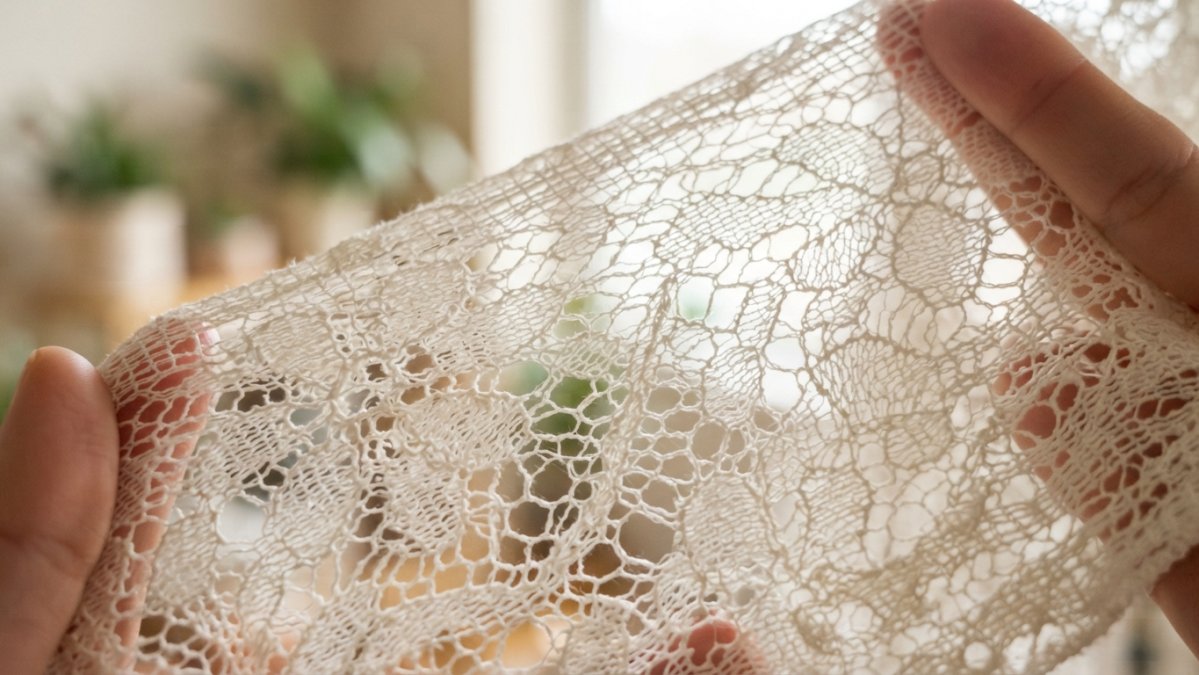
Breathable lace for summer works by allowing convective airflow: warm air escapes through gaps while cooler air replaces it. Dense fabrics prevent this circulation, creating stagnant microclimates where sweat accumulates.
Fiber density determines ventilation: lightweight lace with larger openings provides maximum airflow, while denser patterns still outperform solid weaves. For summer, prioritizing ventilation over density makes practical sense.
Synthetic alternatives with tight weaves restrict airflow more than open-weave lace, regardless of "breathable" marketing claims.
Moisture-Wicking and Thermal Regulation: The Science Behind Comfort
Breathable lace for summer excels at moisture-wicking because natural fibers absorb sweat while the open-weave structure accelerates evaporation. Thermal regulation depends on how efficiently moisture leaves your skin.
When sweat remains on skin, body heat cannot dissipate, creating clammy discomfort. Lace solves this through moisture-absorbing fibers and air-permeable structure that allows quick evaporation.
Synthetic blends push sweat outward but without ventilation, sweat transfers to the outer layer where it sits. Lace avoids this because evaporation happens naturally through the gaps in the weave.
Lace's open structure means less fabric mass contacts skin, reducing heat transfer and allowing air circulation to carry away body heat, why lightweight lace feels noticeably cooler than synthetics.
Best Summer Lingerie Fabrics: Natural Fibers vs. Synthetic Blends
Natural fiber lace outperforms synthetics because natural fibers absorb moisture built into their molecular structure. Cotton absorbs up to 25% of its weight in moisture without feeling wet; silk offers similar benefits with temperature-regulating properties. These materials work with your body's cooling mechanisms.
Fiber Composition Breakdown: What Actually Matters
When evaluating lace for summer, fiber composition is the primary determinant of breathability. Here's what separates high-performance from low-performance options:
Cotton-based lace: Cotton fibers are hygroscopic, absorbing moisture into the fiber structure rather than pooling on skin. Cotton has excellent air permeability and dries in 2-4 hours when air-dried, though it can shrink with high heat.
Silk-based lace: Silk's smooth, triangular cross-section reduces friction and is ideal for sensitive skin. It's hygroscopic and temperature-regulating, dries in 1-2 hours, but requires hand washing and is the most expensive option.
Polyester-based lace: Synthetic fibers are hydrophobic, repelling moisture so sweat accumulates on skin. While polyester dries quickly and is affordable, it traps body heat and moisture-wicking treatments are surface-level solutions. Comfort in sustained heat is compromised.
Nylon-based lace: Nylon shares polyester's hydrophobic properties and resists moisture absorption, feeling clammy in humidity. Spandex blends improve fit but reduce breathability further.
The Performance Difference in Real Conditions
During an 8-hour workday in summer heat, cotton-lace absorbs sweat and allows evaporation, keeping skin dry. Polyester-blend initially feels dry but sweat accumulates on skin, becoming noticeably clammy by hour 4-5.
Synthetic blends marketed as "breathable" often underperform in sustained heat because they lack true moisture absorption. If a fiber doesn't absorb moisture, sweat accumulates on your skin.
Why Fiber Composition Matters More Than Weave Alone
Open-weave polyester is always less comfortable than tightly woven cotton because fiber composition determines moisture absorption. The best summer lace combines natural fibers (cotton, silk) in an open-weave structure.
Saratily's collection emphasizes natural fiber lace specifically because customers who switch from synthetic blends to quality cotton or silk lace often report immediate comfort improvements. The difference isn't subtle; it's noticeable within the first wear. Our Women's Lace Cut-Out Thong exemplifies this approach, lightweight lace construction in natural fibers that prioritizes breathability without sacrificing the refined aesthetic that makes you feel confident.

Lace and Skin Health: Heat Rash Prevention and Sensitivity
Heat rash develops when sweat ducts become blocked by dead skin cells and bacteria.
The Dermatological Case for Breathable Lace
Women’s Lace Cut-Out Thong | Low-Waist Breathable Seamless Underwear →
Dermatologists recommend breathable, moisture-wicking fabrics for summer intimate apparel because genital and underarm areas have high sweat gland concentrations and limited air exposure, making them vulnerable to heat-trapping conditions.
Heat Rash and Folliculitis: Heat rash and folliculitis develop in warm, moist conditions where sweat accumulates. Lace prevents both by maintaining airflow and allowing moisture to evaporate as it forms, often resolving the problem within a single summer season.
Yeast Infections and Bacterial Overgrowth: Candida and bacteria causing bacterial vaginosis thrive in warm, moist, oxygen-poor environments. Synthetic fabrics create ideal conditions for these organisms, while cotton-lace maintains a drier microclimate with better oxygen availability.
Contact Dermatitis and Chemical Sensitivity: Synthetic lace often retains manufacturing chemicals that trigger contact dermatitis. Cotton and silk lace have fewer chemical residues. If you experience itching or redness in synthetic apparel, switching to natural fiber lace frequently resolves symptoms.
Friction-Related Irritation: Lace's lightweight nature reduces pressure against skin and friction-based irritation. Fewer seams and less rigid structure further reduce chafing, especially important when summer heat already stresses skin.
Moisture Management and Microclimate Control
The microclimate against your skin determines whether skin health issues develop. Garments that trap moisture create ideal conditions for bacterial and fungal growth, while breathable lace creates an open microclimate where moisture evaporates continuously.
For individuals with eczema, psoriasis, or chronic skin conditions, lace's reduced friction and improved moisture management prevent flare-ups. The combination of moisture-wicking fibers, open-weave ventilation, and minimal chemical residue allows compromised skin to heal.
Natural Fibers and Skin Compatibility
Sensitive skin benefits from lace because natural fibers are gentler than synthetics and have minimal chemical residue. Natural fibers like cotton maintain a more neutral pH environment, while synthetic finishes can alter pH and promote bacterial overgrowth.
How to Care for Delicate Lace Garments Year-Round
Caring for delicate lace properly ensures it maintains its breathability and structural integrity across multiple seasons. The key principle is gentle handling: avoid high heat, harsh agitation, and strong chemicals that can damage fibers or weaken the delicate weave structure.
Hand washing is the gold standard for lace preservation. Use cool or lukewarm water with mild detergent specifically formulated for delicate fabrics. Submerge the garment and gently agitate for a few minutes, then rinse thoroughly with cool water. Never wring or twist lace; instead, gently squeeze out excess water. This approach preserves the fiber integrity and prevents the stretching that machine washing can cause.
If machine washing is necessary, use the delicate cycle with cold water and place the garment in a mesh laundry bag for protection. Avoid fabric softeners, which can leave residue that reduces breathability. High heat in dryers will damage lace fibers, so air drying is essential. Lay flat on a clean towel or hang in a location with good air circulation, away from direct sunlight which can fade natural fibers.
Storage matters too. Keep lace garments in a cool, dry place away from direct sunlight. Avoid plastic storage containers that trap moisture; instead, use breathable fabric storage bags or drawers with good air circulation. Proper storage prevents the moisture accumulation that can lead to mildew or fiber degradation.
Regular care actually extends the life of lace significantly. A garment that receives gentle, consistent care will maintain its structure and breathability for years. This is why investing in quality breathable lace makes financial sense, the durability justifies the initial cost.
Styling Breathable Lace for Hot Weather and Layering
Understanding why choose breathable lace for summer styling works best when you embrace its transparency as a design feature rather than fighting it with heavy layers. Sheer lace worn under lightweight, loose-fitting outer garments creates visual interest while maintaining the ventilation benefits that make lace valuable in heat. The key is selecting outer pieces that don't trap heat or restrict airflow.
Layering techniques matter in summer differently than in cooler seasons. Instead of adding insulation, summer layering focuses on creating visual depth while maintaining breathability. A delicate lace piece under a lightweight linen shirt or cotton dress creates elegance without heat buildup. The outer layer should be loose enough that air can circulate between the lace and the outer fabric.
Consider the color strategy too. Light colors reflect heat while dark colors absorb it. Pairing breathable lace in neutral tones with light-colored outer garments maximizes the cooling benefit. This isn't just about comfort; it's about creating an intentional aesthetic that works with your body's thermal needs rather than against them.
For occasions where you want the lace to be visible, styling it as lingerie-inspired outerwear has become increasingly mainstream. Pairing lace with tailored pieces or high-waisted bottoms creates a sophisticated look that feels intentional and confident. The breathability benefit remains because lace's open-weave structure is never compromised by styling choices.
The Saratily collection includes pieces like our Women's Floral Lace G-String Thong that work beautifully in layered styling while delivering the ventilation and comfort that make summer wear genuinely enjoyable. Quality lace is versatile enough to function as everyday comfort wear or special occasion pieces, depending on how you choose to style it.

Choosing breathable lace for summer is fundamentally about prioritizing your comfort and skin health during months when heat stress is real. The open-weave structure, natural fiber composition, and moisture-wicking properties work together to create an environment where your body can regulate temperature effectively.
Frequently Asked Questions
Is lace fabric actually good for summer wear?
Yes. Breathable lace is one of the best fabric choices for summer because its open-weave structure allows air to circulate freely against your skin. Unlike dense synthetics that trap heat and moisture, quality lace promotes evaporation and thermal regulation, keeping you cooler during heatwaves. The lightweight nature of lace also reduces bulk under clothing, making it ideal for layering in hot weather.
What makes breathable lace better than synthetic alternatives?
Natural fiber lace (cotton, silk blends) has superior moisture-wicking properties compared to polyester and nylon synthetics. Synthetics trap perspiration against your skin, creating humidity that leads to discomfort and heat rash. Lace's fiber density is lower, which means better airflow. Additionally, natural fibers are skin-friendly and allow your body to regulate temperature more effectively than synthetic blends.
How do I keep lace lingerie comfortable in high humidity?
Choose lace pieces with minimal lining or seamless construction that reduces moisture absorption. Air-dry your lace after wearing it to prevent humidity buildup. Store lace in breathable fabric bags rather than plastic, and consider wearing lace thongs or minimal coverage styles during peak humidity. Layering breathable lace under lightweight cotton can also improve comfort by wicking moisture away from your skin.
Will delicate lace fall apart if I wear it regularly in summer?
Quality lace is durable when cared for properly. Hand wash in cool water with gentle detergent, avoid bleach, and air-dry flat to preserve the intricate patterns and fiber integrity. Never use a dryer or wring out moisture. Saratily's lace pieces, like the Women's Lace Cut-Out Thong, are designed for everyday wear with proper care. Rotating between pieces and avoiding excessive heat extends their lifespan significantly.